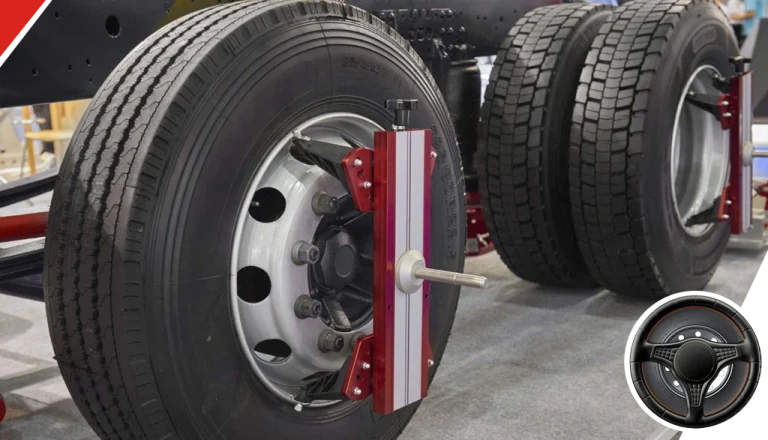
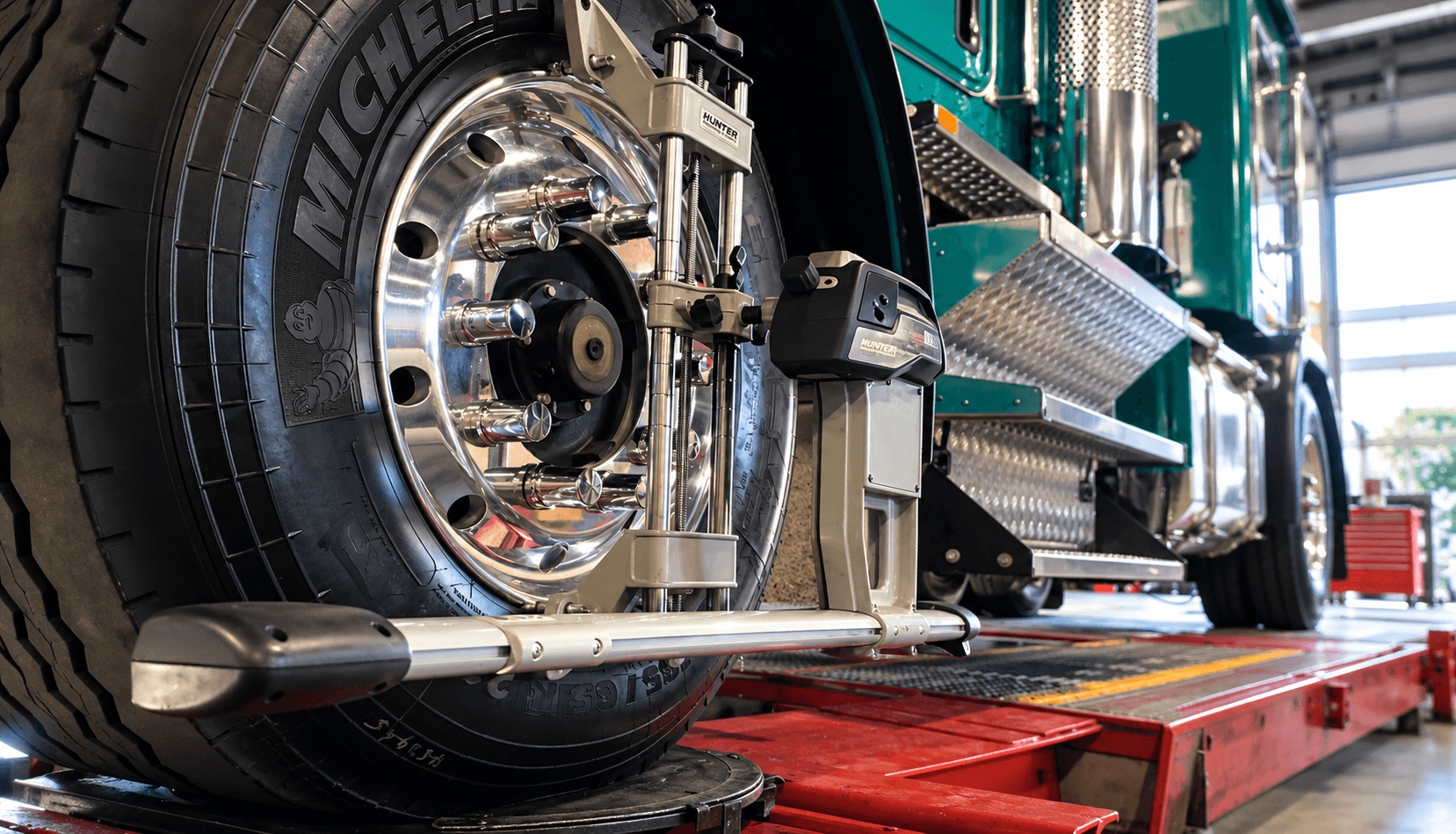
Long-haul driving asks a lot more of a truck than most people realise, and alignment is often one of the first things to give under the pressure. Ignore the early warning signs, and what starts out as a simple fix can turn into a costly repair further down the track. Before you head off on your next big trip, it is worth knowing when truck wheel alignment deserves a spot at the top of your checklist.
Why Alignment Matters So Much on Long Haul Routes
Trucks cover far greater distances than the average car, often hauling heavy loads across all sorts of road conditions. With that much strain on the vehicle, even a small alignment issue can snowball quickly, chewing through fuel, wearing tyres unevenly and affecting overall handling.
Catching these issues early is not just about comfort behind the wheel. It is also about protecting your vehicle and avoiding the kind of downtime nobody wants halfway through a trip.
Recognising the Early Signs of Truck Alignment Problems
Most signs of truck alignment problems creep up gradually, which is exactly why they are so easy to miss until a long trip starts putting real pressure on the vehicle. Picking up on these signs early can save you a fair bit of time & money later on.
Here are seven signs to watch for before you commit to a long haul.
- The steering wheel sits off-centre when driving straight ahead.
- The truck pulls to one side without you touching the wheel.
- Vibration comes through the steering wheel once you pick up speed.
- Steering feels heavier or a bit less responsive than it used to.
- The truck wanders slightly, so you find yourself constantly making small corrections.
- Handling feels noticeably different after hitting potholes or rough patches.
If any of this sounds familiar, it is worth getting the alignment checked before you commit to a long-distance trip.
Understanding Truck Tyre Wear as a Warning Sign
One of the clearest giveaways that something is off with alignment is truck tyre wear that does not look even across the surface. When wheels are misaligned, tyres drag slightly against the road instead of rolling naturally, and certain sections wear down faster as a result.
Watch for wear patterns like these.
- Wear that builds up heavily on one edge of the tyre.
- Feathering, where the tread looks smoothed off diagonally in one direction.
- Tyres on the same axle wearing unevenly compared to each other.
- Tyres wearing out faster than expected, even with regular rotation.
Since tyres are a high ongoing cost for anyone running a truck, spotting uneven wear early can make a real difference to what you spend over time.
The Importance of Heavy Vehicle Wheel Alignment
The table below shows key differences between aligning a standard vehicle and a heavy one.
| Factor | Standard Vehicle | Heavy Vehicle |
|---|---|---|
| Load impact on alignment | Minimal | Significant |
| Number of axles involved | Typically, one or two | Often multiple |
| Tolerance for misalignment | Moderate | Very low |
| Frequency of checks needed | Occasional | Regularly, especially before long trips |
Given how different the requirements are, it really pays to have someone experienced with heavy vehicles handle the job.
When Truck Steering Problems Signal Something Bigger
Truck steering problems, such as extra effort needed to steer, a delayed response, or a truck that just feels less predictable at speed, often trace straight back to alignment.
Left alone, these issues tend to worsen under the added strain of long-distance driving, especially once you throw heavier loads or rougher roads into the mix.
A few steering-related signs worth noting include:
- Steering that feels loose or overly sensitive
- A delayed response when turning at higher speeds
- Extra effort needed just to keep the truck travelling straight
- A clunk or vibration you notice while turning
Preparing Your Truck Properly Before a Long Trip
Before setting off on a long haul, a proper pre-trip check should include an alignment check, not just the usual maintenance basics. A few simple steps can help make sure your truck is genuinely ready for the road ahead.
- Take a close look at the tyres for any unusual or uneven wear.
- Test how the steering responds at both low and higher speeds.
- Watch for any pulling or drifting while driving in a straight line.
- Book an alignment check if you have noticed any warning signs lately.
Trusting the Experts with Your Heavy Vehicle Wheel Alignment
At Straight Wheels Truck Alignment, we know trucks are not built the same way as passenger vehicles are, and alignment needs to be treated accordingly. Our team has the experience and the right equipment to properly assess heavy vehicle wheel alignment, taking load, axle configuration, and suspension setup into account, rather than applying a one-size-fits-all approach.
We genuinely care about helping truck operators avoid unnecessary downtime and costs they did not see coming. If you have noticed any signs of truck alignment or steering problems before your next long haul, contact us to bring your truck in so our team can take a proper look before you hit the road.